Great Job Embroidery Design Review
As an embroidery designer who has spent years turning digital concepts into tangible brand assets, I approach every new design file with a critical eye. We aren't just looking at aesthetics; we are evaluating production viability, brand alignment, and commercial potential. Today, I am reviewing the Great Job embroidery design. This playful piece claims to bring joy through its cartoonish appeal, but does it hold up under the scrutiny of small business merchandising? Let’s dive into how this machine embroidery design performs when applied to real-world products.
First Impressions: Personality and Visual Impact
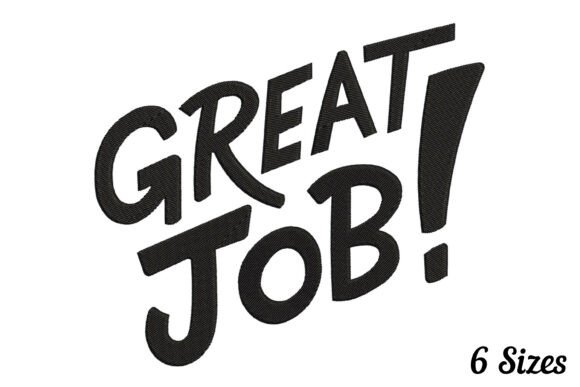
The moment you open the Great Job file, the intent is clear. It is not aiming for corporate minimalism or high-fashion elegance. Instead, it leans heavily into a cartoonish and friendly aesthetic. For a small business owner—whether you run a boutique bakery, a creative studio, or a local pet brand—this personality can be a massive asset. It signals approachability and warmth.
From a design perspective, the typography appears bold enough to stand out on apparel, yet the "playful" descriptor suggests it may rely on specific thread colors or simplified shapes to maintain its charm. The description highlights that it is well-suited for a wide variety of items, including clothing, pillows, wall art, and kitchen linens like tea towels. This versatility is rare. Many designs look great on a t-shirt but fall apart on a structured tote bag. The question is whether the stitch density and line weight of Great Job can bridge that gap between soft goods and rigid accessories.
Real-World Business Applications
Let’s talk about where this embroidery file actually makes money. Small businesses thrive on branded touchpoints that feel personal. Here is how Great Job translates across different product categories:
- Staff Uniforms and Aprons: For cafes and bakeries, employee morale is tied to how they present themselves. A chest logo featuring Great Job adds a layer of internal recognition and pride. It transforms a standard work shirt into a uniform that feels curated rather than generic. On apron embroidery, it serves as a subtle accent that doesn’t overpower the functional aspect of the garment.
- Caps and Headwear: Cap embroidery requires precision. If Great Job has a compact footprint, it works beautifully as a front-center patch. It reinforces brand identity without being overly aggressive. However, curved surfaces demand careful digitizing to ensure the text remains legible.
- Tote Bags and Shopper Totes: As a tote bag design, this piece shines. Canvas bags are durable, and the playful nature of the design complements the casual, eco-friendly vibe of reusable shopping. It becomes a walking advertisement for your handmade product.
- Kitchen Linens and Home Goods: Tea towels, napkins, and pillows are high-margin add-ons for Etsy sellers. The description specifically mentions these items. Because the design is "cartoonish," it fits perfectly in home decor contexts, adding a touch of humor to the kitchen table or living room wall.
- Custom Apparel and Merch: For t-shirts and sweatshirts, this design acts as a statement piece. It is ideal for limited-edition drops or customer appreciation gifts. When paired with the right thread colors, it can elevate a basic blank into a premium handmade product.
Strategic Placement and Brand Identity
Using Great Job effectively goes beyond just hitting the start button on your machine. It is about brand identity. How does this design affect customer trust?
A playful design like this reduces the perceived distance between the maker and the buyer. In the world of small business merch, customers are buying the story as much as the item. A design that says "Great Job" (whether referring to the product quality or the wearer’s effort) creates a positive emotional loop. It encourages repeat engagement and social sharing. When a customer sees their own purchase labeled with such an affirming message, it enhances the unboxing experience and strengthens the connection to your brand.
However, visual consistency is key. If your brand is serious and luxury-focused, Great Job might clash with your existing design assets. But if your brand is rooted in community, craft, and fun, this digital embroidery file is a perfect fit. It supports a narrative of celebration and achievement, which resonates deeply in today’s market.
Technical Considerations and Potential Pitfalls
Not every surface is created equal. As a designer, I must warn you about where this design could fail if not handled with care. There are specific scenarios where Great Job needs to be used carefully:
- Small Patch Sizes: If you plan to use this as a tiny label on a makeup bag or a small accessory, test the scalability. Cartoonish designs often rely on negative space and distinct outlines. If scaled down too far, the details may merge, creating a muddy blob rather than a crisp image.
- Curved Surfaces: Embroidering on the front of a cap or the side of a bucket hat introduces curvature. Ensure the digitizing accounts for this distortion. Text that looks straight in software may appear warped on a rounded form.
- High Stitch Density Areas: If the design includes heavy solid fills, it may become stiff and uncomfortable on delicate fabrics like thin cotton tees or silk blends. Always check the stitch count relative to the fabric weight.
- Dark Uniforms and Fabric Texture: Contrast is everything. On dark uniforms, you will need bright, contrasting thread colors to make the design pop. Similarly, on highly textured fabrics like burlap or heavy denim, fine details may get lost. Test on your actual production fabric whenever possible.
- Frequent Washing: For items like aprons and work shirts that undergo industrial laundering, ensure the design uses stable stitches (like satin stitches for edges) to prevent fraying or unraveling over time.
Practical Designer Notes for Production
Before you commit to a large print run, follow these professional steps to ensure quality control:
- Test in Black and White: Remove color from the design file first. Does the structure still read clearly? This helps identify spacing issues before you waste thread.
- Check Hoop Size Constraints: Confirm the maximum dimensions required by the design. Ensure it fits within your machine’s hoop limits without requiring excessive re-hooping, which can misalign the stitching.
- Inspect Thread Color Contrast: Choose threads that offer high visibility against your target fabric. Low contrast leads to a cheap-looking finish.
- Use Proper Stabilizer: The stability of the final product depends heavily on the stabilizer. Use cut-away stabilizer for stretchy knits (t-shirts, caps) to prevent puckering, and tear-away for woven fabrics (towels, tote bags).
- Create a Printable Mockup: Before embroidering expensive blanks, create a printable mockup to visualize the scale and placement. Get client approval or internal sign-off on the visual impact.
- Confirm Commercial Licensing: Most importantly, verify that you have the rights to sell products made with this embroidery file. Check the license terms associated with Great Job to avoid legal issues.
Final Verdict
The Great Job embroidery design is a versatile, joyful addition to any commercial embroidery repertoire. Its cartoonish appeal makes it particularly effective for brands that want to project friendliness and creativity. Whether you are labeling homemade jams, decorating staff uniforms for a local florist, or creating custom gifts for holiday events, this design brings a sense of accomplishment and warmth.
By paying attention to technical details like stitch density, fabric choice, and stabilizer selection, you can transform this simple phrase into a powerful tool for brand identity. It is more than just text; it is a badge of quality that your customers will wear and display with pride. Just remember to test thoroughly and confirm your licensing before you start producing. With the right execution, Great Job isn't just a design—it's a business asset.