Chef Heart Embroidery Design Review
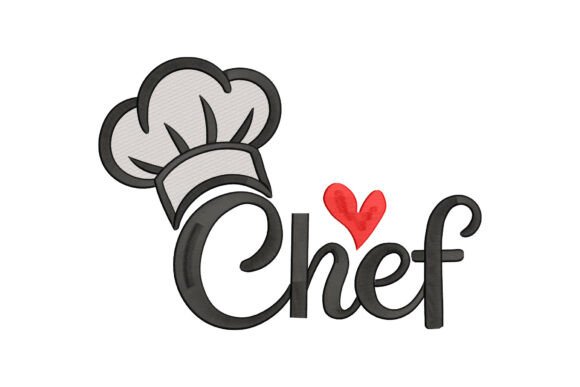
When I first opened the file for the Chef Heart design, my immediate reaction was one of warmth. It is not just a graphic; it feels like a sentiment waiting to be stitched into fabric. As someone who has spent years evaluating digital assets for real-world application, I look past the pretty preview image and focus on how the stitches will behave, how the design translates to three dimensions, and whether it adds genuine value to a handmade product. This piece sits comfortably in the Kitchen category, but its reach extends far beyond just aprons and tea towels. It is a versatile embroidery asset that speaks to anyone with a love for cooking, baking, or simply creating a cozy atmosphere.
The First Impression: Mood and Visual Personality
The design immediately conveys a sense of affection for the craft of cooking. The heart shape suggests care, while the chef elements imply skill and professionalism. In a crowded market of generic kitchen motifs, Chef Heart stands out because it balances whimsy with elegance. The layout appears tight enough to fit on smaller items without losing detail, yet spacious enough to breathe on larger garments. For an Etsy seller or a small business owner, this kind of visual personality is gold. It tells a story before the customer even reads the tag. It says, "This item was made with love," which is exactly the emotional hook needed for personalized gifts or boutique branding.
I found myself imagining where this design would live. It naturally belongs in spaces dedicated to nourishment and creativity. Whether it is adorning a high-end chef's jacket or a simple cotton tote bag, the design commands respect. It is detailed enough to look professional on commercial embroidery projects but soft enough to feel inviting on baby clothes or nursery decor. The balance between the structural lines of the chef hat and the organic curve of the heart creates a dynamic composition that holds up well under close inspection.
Real-World Application: From Digital File to Finished Product
Let me walk you through a scenario I recently considered for a client project. A local bakery wanted to launch a line of custom aprons and tote bags for their holiday gift season. They needed something that felt festive but also clearly identified them as a culinary business. Chef Heart was the perfect candidate. Imagine stitching this onto a heavy-duty canvas tote bag using a rich crimson thread for the heart and a deep navy for the chef details. The contrast would pop against the natural beige of the canvas, creating a sophisticated look that customers would want to carry around town.
The versatility here is impressive. Beyond apparel like sweatshirts and t-shirts, this design works exceptionally well on table linens. Picture a set of embroidered tea towels hanging in a modern farmhouse kitchen. The Chef Heart motif adds a touch of charm that elevates the entire room. For those making custom apparel, the design fits beautifully on the chest area of a hoodie or the pocket of a work shirt. It is also ideal for creating embroidered patches that can be sewn onto denim jackets or backpacks, adding a unique flair to everyday wear.
For the creative entrepreneur looking to expand their crafter business, this design offers multiple revenue streams. You could sell the finished products at craft fairs, list them on Etsy, or offer them as part of a subscription box for home cooks. The design's clean lines make it suitable for digital embroidery files intended for various machine types, provided the stitch density is managed correctly. When used on kitchen towel designs, the motif serves as a focal point that draws the eye without overwhelming the texture of the fabric.
Where Caution is Key: Fabric and Stitch Considerations
While Chef Heart is a strong design, no single file is perfect for every situation. As an experienced reviewer, I must highlight specific areas where caution is required. If you are working with a small hoop size, pay close attention to the finer details. Tiny text or intricate corners within the design might get lost if the resolution is too low or if the hoop is too cramped. Always test the design on scrap fabric first to ensure the stitch density does not cause puckering, especially on lightweight materials.
Textured fabrics present another challenge. While the design looks great on smooth cotton or linen, it may struggle to register clearly on heavily textured weaves or thick fleece. On stretchy fabrics like jersey knits, the stability of the design relies heavily on the quality of the stabilizer used. Without proper support, the satin stitch areas might pull or distort during the washing process. Similarly, dark fabrics require careful selection of thread colors to ensure the design remains visible. A light-colored heart on a black background might lack the necessary definition unless the underlay is robust.
Curved surfaces, such as caps or hats, demand extra precision. The curvature can alter the perception of the design's proportions. What looks balanced on a flat screen might appear stretched on a curved brim. If you plan to use this for cap embroidery, I recommend running a mockup test to verify that the hoop size accommodates the curve without compromising the integrity of the stitches. Additionally, for products that need frequent washing, like aprons or dishcloths, ensure the design is secure enough to withstand abrasion without fraying.
Practical Designer Notes for Success
To get the most out of Chef Heart, there are several technical steps you should take before committing to a full production run. First, always check the thread colors available in your library. The design might specify certain shades that do not match your brand palette, so be prepared to swap threads while maintaining the intended contrast. Review the stitch density carefully; if the fill areas are too dense, the fabric may become stiff, affecting the drape of the final garment.
Confirming the hoop size is crucial. Ensure your machine can accommodate the design dimensions without cutting off any edges. Inspect small details closely, particularly the outlines and any lettering, to ensure they will stitch cleanly. Testing the design in black and white mockups can help you visualize how the contrast will hold up on different colored fabrics. Compare light and dark fabric backgrounds to see which offers the best visual impact for your target audience.
Don't forget to use the proper stabilizer. The type of stabilizer (cut-away, tear-away, or water-soluble) depends entirely on the fabric you are using. For commercial embroidery projects where durability is paramount, a cut-away stabilizer is often the safest bet. Also, verify whether the license allows for both personal and commercial use. Many designers assume they can sell finished items, but some licenses restrict this. Confirming these terms protects your craft business from potential legal issues.
Final Thoughts on Value and Appeal
In conclusion, Chef Heart is more than just a decorative element; it is a strategic tool for enhancing the perceived value of your handmade products. It fosters customer trust by signaling attention to detail and quality. When a buyer sees a well-executed embroidery project like this, they are more likely to appreciate the craftsmanship involved. It enhances brand consistency, making your shop look professional and cohesive.
Whether you are a hobbyist looking to create a special personalized gift or a seasoned Etsy seller aiming to boost your sales, this design offers significant potential. Its ability to bridge the gap between functional kitchenware and stylish fashion makes it a standout choice. By following practical testing protocols and understanding the nuances of fabric and stitch behavior, you can transform this digital file into a stunning finished product that delights customers and strengthens your reputation as a maker. Use it wisely, test thoroughly, and watch your creations come to life with the warmth and elegance that Chef Heart brings to the table.