Stay Salty Embroidery Design Review for Merch
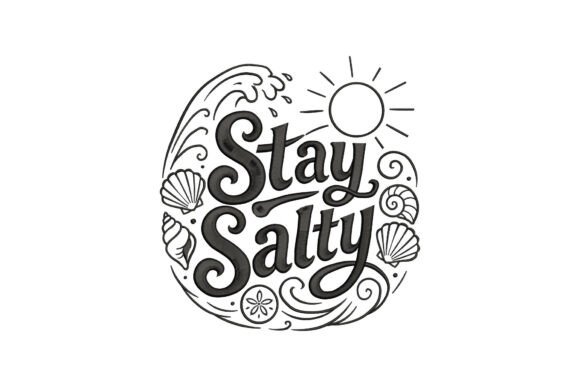
In the competitive world of small business branding, every stitch counts. As an experienced embroidery designer who has reviewed thousands of digital files for commercial use, I look beyond aesthetics. I evaluate how a design translates from a screen to fabric, how it holds up on merchandise, and whether it enhances brand identity. Today, I am reviewing the Stay Salty machine embroidery design. While the product description suggests it adds a "subtle touch of charm and creativity" to home décor items like towels and pillows, its true potential lies in its application for small business merch, branded patches, and custom apparel.
This review focuses on entrepreneurs, Etsy sellers, boutique owners, and apparel decorators who are considering integrating this design into their product lines. We will explore its visual personality, practical performance, and strategic placement options.
First Impressions: Visual Personality and Brand Alignment
The title "Stay Salty" immediately evokes a specific vibe: coastal, relaxed, yet spirited. When evaluating any embroidery file for commercial use, the first step is understanding the emotional resonance it carries. For a beach-themed or lifestyle brand, this design likely balances playfulness with approachability. It does not scream; it whispers with character.
From a design perspective, "subtle touch" implies that the file is not overly dense or cluttered. This is crucial for legibility. A design that is too intricate often loses detail when stitched at smaller sizes, such as on a chest logo or a cap front. The promise of "charm and creativity" suggests that the typography or graphical elements are stylized rather than rigidly corporate. This makes it an excellent candidate for brands that want to project a handmade, authentic feel rather than a sterile, mass-produced image.
For businesses in the hospitality sector—such as cafés, bakeries, or florists—this design can soften the brand image. It signals to the customer that the business values personality and experience over mere transaction. However, for high-end luxury brands, the casual nature of the phrase might clash with a need for minimalist elegance. Context is everything.
Real-World Business Applications
Where does Stay Salty shine in a commercial setting? Based on its described versatility, here are several high-value applications:
- Embroidered Patches: One of the most profitable uses of a design like this is creating detachable patches. These can be sold as standalone accessories or attached to denim jackets, tote bags, and backpacks. The "beach" category fits perfectly with summer trends, making these patches highly desirable for seasonal marketing campaigns.
- Staff Uniforms and Aprons: For a café or boutique, uniform embroidery establishes professionalism while maintaining team spirit. Placing "Stay Salty" on the back of an apron or the sleeve of a work shirt creates a memorable brand moment. It turns employees into walking billboards for a relaxed, friendly atmosphere.
- Caps and Headwear: Cap embroidery is a staple in custom apparel. If the design’s lettering is clear and the graphic elements are simple enough, it works exceptionally well on the curved surface of a baseball cap. This is a classic merch item for craft fairs, local events, and online store giveaways.
- Tote Bag Designs: Canvas totes are ubiquitous in the handmade community. A subtle embroidered accent on the corner of a tote bag elevates the perceived value of the product. It transforms a basic utility item into a branded keepsake that customers are likely to carry around, providing ongoing visibility.
- Product Packaging Accents: Don’t overlook the unboxing experience. Stitching this design onto the flap of a mailer box or a fabric tag attached to a product adds a tactile element that digital printing cannot replicate. It reinforces the quality and care put into the packaging.
Strategic Placement and Limitations
While the design is versatile, there are areas where caution is required. As a designer, I always advise clients to test before they commit to bulk production.
Small Patch Sizes: If you plan to use this as a chest logo or a small patch (under 3 inches), you must scrutinize the fine details. Intricate outlines or tiny lettering may merge together, resulting in a muddy appearance. Always check the stitch density; if the file is too dense for its size, it will become stiff and uncomfortable against the skin.
Curved Surfaces: Embroidering on caps or rounded sleeves requires specialized techniques. Text that is straight on a flat screen may distort when wrapped around a curve. Ensure the font choice in the digital embroidery file has enough kerning (spacing between letters) to remain readable when stretched.
Fabric Texture and Color: The success of the design depends heavily on the substrate. On dark uniforms or textured fabrics like heavy canvas, light thread colors may get lost. Conversely, dark threads on white towels might overwhelm the "subtle" intent of the design. Always perform a physical sample run on the actual material you intend to use.
Wash Durability: For items like aprons and work shirts that undergo frequent washing, the stability of the stitches is paramount. Poorly stabilized designs can pucker or unravel. Ensure your production process includes proper stabilizer usage to maintain the integrity of the embroidery over time.
Impact on Brand Identity and Customer Trust
Quality embroidery communicates durability and attention to detail. When a customer receives a product with a crisp, well-executed Stay Salty design, it subconsciously signals that the brand cares about quality. This builds trust and justifies a higher price point compared to printed goods, which can crack or fade.
Furthermore, embroidered merchandise fosters a sense of exclusivity. Handmade products with custom embroidery feel more personal and less disposable. This emotional connection increases customer engagement and loyalty. When buyers see a cohesive brand identity across different items—caps, totes, and apparel—they perceive the business as established and professional.
Practical Designer Notes for Production
Before purchasing or licensing this machine embroidery design for commercial use, follow these essential steps:
- Black and White Test: Convert the design to black and white to check contrast and balance. This helps identify if any elements are too close together or if the negative space is sufficient.
- Size Simulation: Use software to scale the design down to its intended final size. Does the text remain legible? Do the graphic details hold up?
- Thread Color Contrast: Select thread colors that offer strong contrast against your target fabric. High contrast ensures readability and visual impact.
- Hoop Size Verification: Confirm the maximum hoop size required by the file. If your machine has a smaller hoop, you may need to split the design, which can leave visible seams.
- Fabric Testing: Never skip the test stitch. Embroidery behaves differently on cotton, polyester, blends, and knits. Observe how the fabric puckers and adjust your tension accordingly.
- Commercial Licensing: Verify the license terms. Ensure you have the right to sell finished goods featuring this design. Many digital files are for personal use only.
- Create a Printable Mockup: Before committing to production, create a realistic mockup to present to clients or use in marketing. This allows for feedback and adjustments without wasting materials.
In conclusion, the Stay Salty embroidery design offers a compelling option for businesses seeking to add a touch of coastal charm and creativity to their merchandise. By carefully considering its application, testing thoroughly, and aligning it with your brand identity, you can create high-quality, recognizable products that resonate with your audience. Whether used for staff uniforms, event merch, or boutique accents, this design has the potential to enhance your finished product and strengthen your market presence.