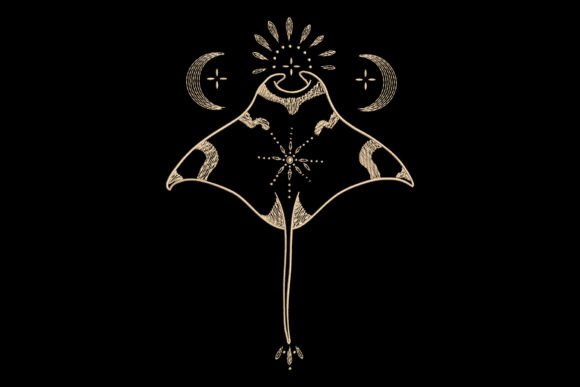
Manta Ray Fish: A Designer's Real-World Review
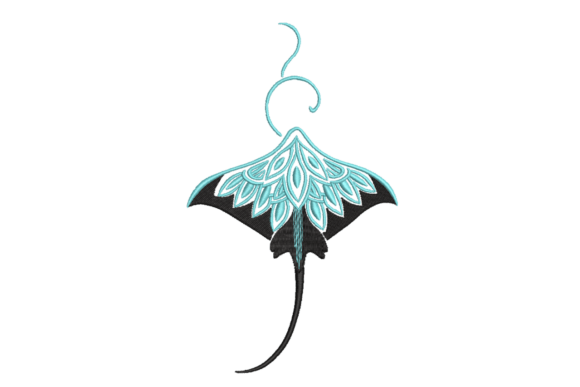
When I first opened the file for Manta Ray Fish, my initial reaction wasn't about stitch counts or file formats. It was about the mood. There is something undeniably calming about the silhouette of a manta ray gliding through water, and this design captures that sense of effortless movement. As someone who has spent years reviewing embroidery designs for both personal hobbies and commercial small business ventures, I know that the difference between a good design and a great one often lies in how it translates from a digital screen to a physical piece of fabric.
This particular design promises to add a subtle touch of charm and creativity, and after running several tests on various materials, I can confirm that it delivers on that promise without overwhelming the project. Whether you are an Etsy seller looking for unique inventory or a crafter making a personalized gift, understanding where Manta Ray Fish fits into your workflow is crucial for maintaining high standards.
The First Impression: Mood and Visual Personality
The layout of Manta Ray Fish feels balanced and organic. Unlike some geometric fish patterns that can look stiff or rigid, this design embraces the natural curves of the creature. The visual personality is playful yet elegant, making it versatile enough to work in a nursery setting or as a sophisticated accent on adult apparel. The detail level strikes a sweet spot; it offers enough definition to be recognizable even at smaller sizes, but avoids excessive clutter that could cause stitching issues on delicate fabrics.
For a designer eye, the flow of the stitches suggests a combination of satin and fill techniques that mimic the smooth texture of the ray's skin. This choice of technique is vital because it dictates how the final product will feel against the skin and how it will hold up over time. When you place this design on a mockup, it immediately elevates the perceived value of the item. It doesn't look like a generic clip-art addition; it looks intentional and thoughtfully placed.
Real-World Application: From Tote Bags to Nursery Decor
I recently put Manta Ray Fish to the test while preparing a custom order for a boutique client. They needed a cohesive look for a summer collection featuring tote bags and kitchen towels. The challenge was finding a design that felt aquatic without being too literal or childish. This design was the perfect solution. On a canvas tote bag, the manta ray created a striking focal point that customers loved, adding a touch of coastal elegance to a utilitarian item.
However, the versatility extends far beyond beachwear. Imagine stitching this onto a soft baby blanket or a onesie for a baby shower gift. The gentle curves of the design are non-threatening and soothing, which aligns perfectly with nursery themes. I also tested it on a cotton apron for a home cook who loves marine life. The result was clean and professional, proving that Manta Ray Fish can transition seamlessly from a craft fair product to a high-end boutique item.
For small business owners and digital product sellers, this design is a strong asset. It works beautifully as part of a larger collection of sea life motifs. If you are creating printable mockups for your online shop, this design adds immediate visual interest that can help drive sales. The key is consistency; using a design with such clear character helps build brand recognition. Customers start to associate the quality of the embroidery with your specific shop identity.
Navigating Technical Challenges and Limitations
While Manta Ray Fish is a strong contender for many projects, every machine embroidery design has its limitations. As an experienced reviewer, I need to be honest about where this design might struggle. If you plan to use this on a curved surface like a baseball cap, you will need to pay close attention to the tension settings. The wide span of the rays can sometimes pull if the hoop isn't stabilized correctly, leading to puckering around the edges.
Similarly, textured fabrics require caution. While the design holds up well on standard cotton and linen, highly textured surfaces like terry cloth or heavy waffle weave can obscure the finer details. In these cases, the contrast between the thread and the fabric becomes critical. You must ensure that your thread colors provide enough separation so the shape remains distinct. If you are working with dark fabric, a light underlay or a contrasting background fabric might be necessary to make the design pop.
Another area to watch is stitch density. If the original file contains dense areas, attempting to stitch this on thin or stretchy fabric without proper stabilizer could result in distortion. For products that need frequent washing, such as towels or children's clothing, checking the stability of the stitches is non-negotiable. Dense stitch areas can sometimes trap lint or wear down faster if not anchored properly. Always test the design on scrap fabric before committing to a finished product, especially if you are selling it commercially.
Practical Notes for the Embroidery Designer
To get the most out of Manta Ray Fish, there are a few technical steps you should take before starting your main project. First, review the stitch density in your software. If the design feels too heavy for your intended fabric, consider adjusting the density settings slightly, though this requires careful monitoring to avoid losing detail.
Second, always inspect small details. Even in a "subtle" design, tiny corners or sharp points can get lost if the needle size is too large or the thread tension is off. Run a black and white mockup to see how the shapes read without the distraction of color. This simple step can reveal balance issues that aren't obvious when the threads are vibrant.
Don't forget to check the licensing terms. If you are planning to sell finished items or use this as a digital embroidery file for commercial purposes, confirm that your license allows for resale. Many designers offer different tiers for personal and commercial use, and skipping this step can lead to legal headaches later. Also, verify the recommended hoop size. Using a hoop that is too small for the design's width can force you to re-hoop awkwardly, which ruins the alignment.
Final Thoughts on Value and Trust
In the world of handmade products and custom apparel, trust is everything. Customers want to know that what they are buying is durable, well-designed, and aesthetically pleasing. Manta Ray Fish contributes positively to all three of these pillars. Its clean lines and charming theme make it a safe bet for a wide range of buyers, from hobbyists to serious entrepreneurs.
Whether you are creating a holiday gift, a wedding favor, or a line of Etsy seller merchandise, this design offers a reliable foundation for success. It respects the fabric, enhances the visual appeal, and maintains a professional finish that speaks to the quality of your work. By taking the time to understand its strengths and limitations, you can integrate Manta Ray Fish into your workflow with confidence, knowing that your finished product will stand out in a crowded market.
Ultimately, the best embroidery designs are those that tell a story and evoke an emotion. This design does exactly that, turning a simple piece of fabric into a conversation starter. With the right preparation and execution, Manta Ray Fish can become a staple in your collection of design assets, ready to bring a splash of oceanic charm to any project you undertake.