Cute Safari Elephant: A Designer’s Review for Merch
As an experienced embroidery designer, I spend my days evaluating how digital files translate into tangible products. When a small business owner or Etsy seller looks at a design like Cute Safari Elephant, they aren’t just looking for a picture; they are looking for a viable asset that can drive sales and build brand recognition. Today, we are reviewing this specific design to determine its viability for commercial use, from branded patches to custom apparel.
First Impressions: Visual Personality and Market Fit
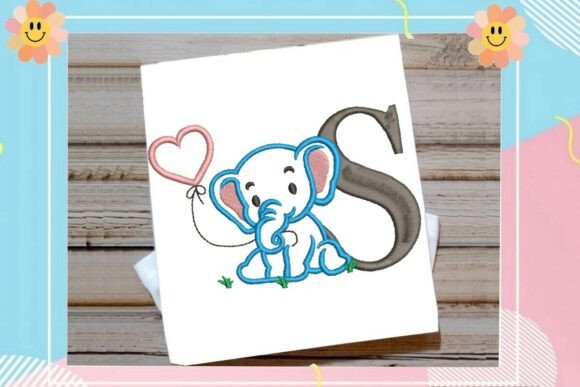
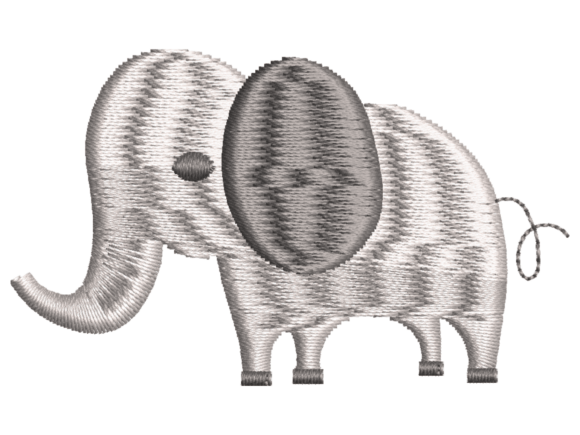
The title Cute Safari Elephant immediately signals a playful, approachable aesthetic. In the world of machine embroidery design, "cute" often translates to soft curves, friendly expressions, and high appeal to families and children. This makes it an excellent candidate for the Nursery category, but its utility extends far beyond baby clothes.
From a professional standpoint, the design feels friendly and handmade rather than rigid or corporate. It strikes a balance between rustic charm and modern simplicity. For small business merch creators, this is crucial. You want your customers to feel a connection to the brand. A design that feels too intricate or aggressive can alienate buyers, whereas Cute Safari Elephant invites engagement. It suggests a brand that values joy, nature, and whimsy. Whether you are running a boutique bakery, a pet brand, or a creative studio, this visual personality helps establish a warm, trustworthy identity.
Real-World Business Applications
The true test of any embroidery file is its performance in production. Here is how Cute Safari Elephant performs across various commercial applications:
- Embroidered Patches: This design shines as a patch. The distinct shape allows for clean edge stitching, making it perfect for sewing onto denim jackets, backpacks, or tote bags. It serves as a standalone logo mark that increases perceived value.
- Staff Uniforms and Aprons: For a local café or florist, placing this on the chest pocket of an apron adds a touch of personality without overwhelming the uniform. It humanizes the staff and creates a memorable customer experience.
- Cap Embroidery: The compact nature of most "cute" animal designs works well on cap fronts. It provides a subtle branding element that doesn’t compete with text logos, ideal for event merch or promotional giveaways.
- Tote Bag Design: A large-scale application on a canvas tote bag allows the details of the elephant to pop. This is a high-margin item for crafters, and the design’s bold lines ensure it remains legible even on textured fabric.
- Product Packaging Accents: Small embroidered labels featuring this design can be attached to retail items like soaps, candles, or baked goods. It elevates the unboxing experience and reinforces brand consistency.
- Etsy Branding: For sellers offering handmade products, using this design on packaging tags or thank-you cards (via printable mockups) creates a cohesive brand story.
Strategic Placement and Cautionary Areas
While Cute Safari Elephant is versatile, not every placement is suitable. As a designer, I advise careful consideration of scale and fabric texture.
Small Patch Sizes: If you intend to digitize this for very small patches (under 2 inches), you must check the stitch density. Tiny lettering or overly fine outlines may merge together during stitching, resulting in a muddy image. Always test at the actual production size.
Curved Surfaces: When applying to caps or curved hat fronts, the design must be simplified. Complex shading or thin lines can distort on a curve. Ensure the design has enough structural integrity to hold its shape when pulled tight against the foam backing.
Dark Uniforms and Fabric Texture: On dark fabrics, thread color contrast is paramount. If the design relies on light colors for definition, it may get lost on black or navy uniforms. Similarly, on highly textured fabrics like heavy tweed or rough burlap, fine details may disappear. Stick to smoother cottons or blends for the best finish.
Frequent Washing: For items like work shirts or kitchen aprons that undergo frequent industrial washing, high stitch density can cause puckering. Evaluate whether the design’s weight is appropriate for the garment’s intended lifespan.
Impact on Brand Identity and Customer Trust
Using a well-executed machine embroidery design like Cute Safari Elephant directly impacts your bottom line. Embroidery conveys quality and permanence compared to screen printing or vinyl decals. Customers perceive embroidered goods as premium and durable.
This design fosters brand identity by associating your products with positive emotions. When a customer sees the elephant on a tote bag or a child’s outfit, they associate those feelings with your brand. This visual consistency builds trust and recognition over time. Furthermore, it enhances product value. A simple white t-shirt becomes a unique piece of merchandise when adorned with a professionally stitched, distinctive character. It encourages buyer engagement and social sharing, as people love to showcase unique, handmade-style items.
Practical Designer Notes for Production
Before purchasing or producing, follow these essential steps to ensure success:
- Test in Black and White: Convert the design to monochrome to check its silhouette. If it lacks impact without color, it will struggle in embroidery.
- Check Stitch Density: Review the file for excessive stitching. Too many stitches can make the fabric stiff and prone to damage.
- Review Thread Color Contrast: Simulate your chosen thread colors against the target fabric. Ensure there is enough contrast for the design to be readable.
- Inspect Spacing: Look at the distance between elements. Crowded designs can look messy if the hoop shifts slightly during stitching.
- Confirm Hoop Size: Verify that the design fits within your standard hoop sizes. If it requires a larger hoop, ensure your equipment can accommodate it.
- Test on Real Fabric: Never trust a screen preview alone. Stitch the design on the actual fabric type you plan to sell. This reveals issues with pull compensation and stabilizer needs.
- Use Proper Stabilizer: Choose the right stabilizer (cut-away for stretch, tear-away for wovens) to prevent distortion.
- Create a Mockup: Use a printable mockup to show clients or customers how the final product will look before committing to production.
- Compare Design Assets: Place the design beside your other brand assets to ensure visual harmony.
- Confirm Commercial Licensing: Most importantly, verify the license terms. Ensure you have the right to sell physical products made from this digital embroidery file.
Final Verdict
Cute Safari Elephant is a strong contender for small business owners seeking to add charm and professionalism to their merchandise. Its friendly aesthetic appeals to a broad audience, and its versatility allows for creative applications across apparel, accessories, and packaging. By following proper testing protocols and considering fabric constraints, you can leverage this design to create high-quality, desirable products that resonate with your customers.
Remember, this is a digital product delivered in ZIP or RAR format. No physical item will be shipped, and due to the nature of digital goods, no returns or refunds are available. Therefore, thorough review and testing are your best safeguards. With careful execution, Cute Safari Elephant can become a signature element of your brand’s visual language.