Classic Rose Stitch Review for Etsy Sellers
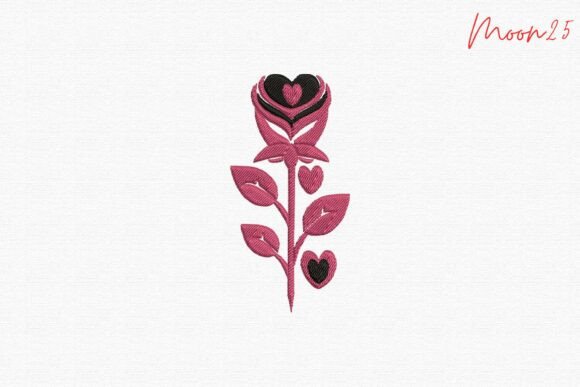
As an experienced embroidery seller who has navigated the shifting tides of the handmade market, I am always on the lookout for designs that balance aesthetic appeal with commercial viability. When browsing Creative Fabrica embroidery options for my next product drop, a design titled Classic Rose Stitch caught my eye immediately. It promises to add a touch of timeless beauty to any collection, featuring a long-stemmed rose machine embroidery design with a blooming red rose atop a slender green stem. Before I commit to adding this to my inventory for small shop products, I need to evaluate whether it fits the specific needs of my customers and my business model.
Visual Personality and Market Fit
The description highlights an elegant motif, which immediately signals that Classic Rose Stitch is not a novelty item or a trendy graphic meant for fleeting popularity. Instead, it feels like a premium, classic piece that will have longevity in my catalog. The imagery of a single red rose on a slender stem suggests a feminine, sophisticated, and slightly romantic vibe. This makes it perfect for buyers looking for something that feels more giftable and memorable than a generic pattern.
For an Etsy seller, visual personality is everything. A design like this works exceptionally well for creating a cohesive brand identity. It feels less "rustic" and more "refined," making it ideal for boutique merchandise where the customer expects a higher level of craftsmanship. Whether you are targeting craft fair attendees or online shoppers scrolling through social media previews, this design offers a clean look that translates well from digital mockups to finished products.
Ideally Suited Product Categories
When planning my production schedule, I consider how a specific embroidery file will perform on different materials. Based on the delicate nature of the long-stemmed rose described, Classic Rose Stitch seems best suited for items where the fabric provides a smooth canvas. Here is how I see this design fitting into my current product lines:
- Tote Bag Design: A simple tote bag made of canvas or cotton twill would allow the red rose to pop without the texture of the fabric competing with the stitch density.
- Sweatshirt Embroidery: For custom apparel, placing this on a crewneck sweatshirt creates a subtle yet stylish accent. It adds a touch of class to casual wear, appealing to those who want to wear their style rather than shout it.
- Baby Embroidery: The soft elegance of a single rose makes it a safe and beautiful choice for baby blankets or onesies. Parents often prefer designs that are gentle and timeless over loud graphics.
- Kitchen Towel Embroidery: In the home decor space, this design could elevate a set of kitchen towels. It feels appropriate for a modern farmhouse or a classic country aesthetic.
- Embroidered Patch: With its defined shape, this design could easily be converted into an iron-on patch for jackets or denim bags, offering a versatile accessory option.
Commercial Value and Buyer Psychology
From a business perspective, the value of a machine embroidery design lies in its ability to increase the perceived value of the final product. A well-executed embroidery file can transform a $5 plain apron into a $25 artisanal gift. Classic Rose Stitch supports this strategy by offering a design that looks professional and expensive.
Buyers searching for personalized gifts are often looking for something that feels unique but not overly complicated. A single rose is universally understood as a symbol of love and appreciation, making it a safe bet for Valentine's Day collections or anniversary gifts. However, its simplicity also allows it to transcend seasonal trends, meaning it can be sold year-round as a staple item in a creative entrepreneur's shop.
Photography plays a crucial role in selling these items online. A design with high contrast, such as a deep red rose against a neutral background, photographs beautifully. This ensures that your printable mockups and listing thumbnails are sharp and attractive, drawing clicks from potential customers who might otherwise scroll past.
Practical Seller Notes for Implementation
Before I finalize any listings for Classic Rose Stitch, there are several practical steps I must take to ensure quality and compliance. As a responsible seller, I know that skipping these checks can lead to returns and negative reviews.
- Create a Sample Stitch-Out: You cannot sell what you have not tested. I always recommend stitching out the design on the actual fabric intended for the final product. This reveals how the thread colors interact with the material and if the design requires adjustments.
- Check Stitch Density and Hoop Size: The description mentions a slender stem, which implies a need for precision. I need to verify the hoop size requirements to ensure the design fits within standard hoops without requiring complex multi-hoop setups. Additionally, checking the stitch density is vital; too much density on lightweight fabric can cause puckering, while too little can look sparse.
- Select Thread Colors Carefully: While the description specifies a red rose and green stem, the actual file may offer variations. Comparing thread color options before purchasing helps ensure the design matches the aesthetic of my brand. Sometimes a darker red or a sage green might work better depending on the base fabric.
- Stabilizer Selection: Depending on the project, such as embroidering a cap or a pillow cover, the choice of stabilizer is critical. A heavy-duty tear-away might be needed for a tote bag, while a cut-away is better for stretchy knit fabrics like sweatshirts.
- Licensing Verification: Most importantly, I must review the Creative Fabrica licensing terms before selling finished goods. Commercial embroidery rights vary, and ensuring I have the proper license to sell products made with this digital embroidery file protects my business from legal issues.
Strategic Planning for Listings
Once the technical aspects are confirmed, the focus shifts to marketing. Using Classic Rose Stitch allows me to create a narrative around my products. I can write listing descriptions that emphasize the "timeless beauty" mentioned in the product title, appealing to customers who value tradition and quality.
For social media previews, I can showcase the design on various items to demonstrate versatility. Showing the same rose design on a baby blanket, a kitchen towel, and a tote bag tells the story of a flexible tool for the craft business owner. This approach helps build trust with buyers who appreciate transparency and professionalism.
In conclusion, Classic Rose Stitch appears to be a strong candidate for my upcoming collection. Its elegant aesthetic aligns well with the demands of the handmade market, and its simplicity makes it accessible for a wide range of projects. By following the necessary preparation steps—testing the stitch-out, confirming the hoop size, and verifying the license—I can confidently integrate this design into my Etsy listings and other commercial embroidery products. It represents the kind of thoughtful selection process that separates successful small shop owners from the rest.